


Ozempic, GLP-1 Receptor Analogs, and HP-EVOO - Blog # 103

Hi Everyone! Welcome back to another Friday blog! The recent explosion of Ozempic (semaglutide), Rybelsus, Mounjaro, Wegovy, Trulicity and other GLP-1 (glucagon-like peptide-1) analogs on the market raises so many questions regarding long-term safety, side effects and benefits. These drugs are currently prescribed to treat obesity and T2D (type 2 diabetes) as a weekly injection for life. However, they are also being used off-label for weight-loss - with good results - but at a high cost of muscle loss, bone loss and permanent gastroparesis as well. Some MDs are prescribing these drugs for children to take for the rest of their lives. These drugs can be > $1,000 per month and often insurance doesn't cover. Most of these drugs require a weekly injection. Let's delve in.
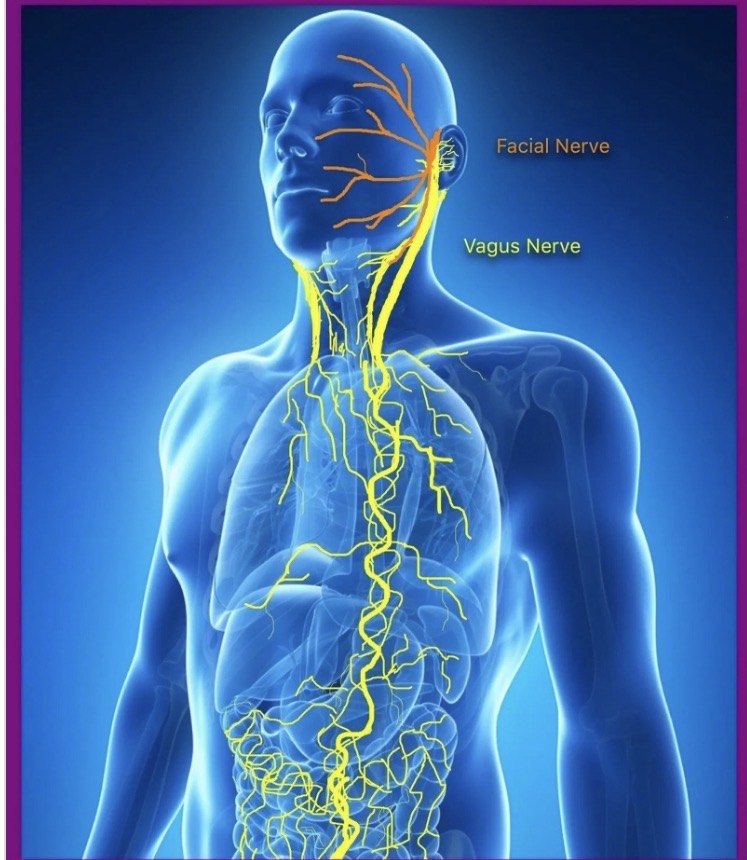
These drugs are peptides (linked amino acids) that are a synthetic version of GLP-1 receptor agonists. Okay, so they are trying to mimic what the body naturally does after eating. In the gut, intestinal cells (L-cells) literally "taste" and respond by secreting GLP-1. L-cells in the gut release GLP-1 that activates the GLP-1 receptors on the pancreatic beta cells (that release insulin) as well as send a message via the Vagus nerve to the appetite control center in the hypothalamus in the brain. This sends a message to shut down the hunger hormone and turn on the satiety hormone, leptin. These drugs significantly suppress appetite but also suppress water intake. This can be a problem leading to dehydration. They significantly slow down digestion - even to the point of digestive paralysis - which contributes to the common side-effects of nausea and vomiting, constipation and/or diarrhea. Another worrisome side-effect is sarcopenia, or loss of skeletal muscle mass, quality and strength. So, you may lose a lot of weight relatively quickly on these drugs - most of that being fat - but a good portion of the weight lost - if you aren't actively working on prevention - is lean body mass (LBM) or muscle - "the proportion of LBM reduction ranged between 20% and 50% of total weight lost." Some studies show 40-60% of total weight loss was from lean body mass. You lose your metabolic lever when you lose muscle.
This is not unlike muscle loss with bariatric surgery. Loss of muscle affects bone, so osteopenia or osteoporosis follows. Your risk of a fall goes up. To combat this, drug companies are rushing to develop medications to address this problem. Once again, they want to treat the side effect with an additional drug. More $ for them but will bankrupt us. If you are someone who got started on Ozempic but were abruptly taken off due to insurance, the weight gained back is strictly fat - not the muscle you just lost.
Why not do this differently - change our environment to optimize leptin - and change our diet to enhance our body's production of GLP-1. If you are severely obese and need a bigger boost to get started microdosing from a practitioner can be helpful, but it should be short term, pulsing on and off the microdose to prevent major side-effects. Some naturopaths and functional medicine MDs are claiming success through microdosing in phases or cycles. This allows for a more controlled weight-loss, while resistance-training and modifying diet and prioritizing protein to guard muscle loss. Physicians that are paying attention should be requiring their patients to strength-train while taking GLP-1 drugs.
Most of us can modify what we are eating and begin implementing strategies to increase GLP-1 production naturally. Let's take a closer look at the sequence of events and what is required to produce GLP-1. It is a signaling peptide that is part of a feedback system to regulate hunger and feeding, while enhancing glucose uptake. Roughly 15 min after eating, intestinal L-cells sense nutrients and produce GLP-1, GLP-2 and PYY. These are hormones that help regulate feeding. These hormone levels peak at 40-90 minutes after eating a meal. Intestinal L-cells have taste receptors - similar to those on your tongue - that evoke a response. High levels of glucose shut down production of GLP-1, whereas low millimolar concentrations of glucose can activate release. This would be like eating a piece of low glycemic fruit, vs a piece of cake. When L-cells taste bitter foods, PYY (peptide tyrosine tyrosine) evokes an aversive response to food, increasing release of GLP-1 and shutting down hunger. GLP-1 has several effects and works with PYY and other hormones to impact nutrient sensing and feeding behavior.
- Incretin effect - this is blood sugar lowering - GLP-1 binds to a receptor on Pancreatic B-cells. This results in increased intracellular calcium with subsequent exocytosis of insulin.
- Trophic effect - GLP-1 stimulates the proliferation of pancreatic β-cells (that produce insulin), while inhibiting apoptosis (programmed cell death). It upregulates insulin gene transcription and biosynthesis. GLP-1 also exerts a strong inhibition of glucagon secretion by interacting with pancreatic α-cells.
- Vagus nerve impact - GLP-1 binds to afferent vagal nerve fibers which sends a signal to the central hypothalamic nuclei that controls nutrient homeostasis - this slows gastric emptying and decreases nutrient absorption by decreasing intestinal contractions. GLP-1 drugs damage the Vagus nerve causing denervation in the gut, which can result in permanent paralysis. "Gastroparesis is characterized by a delay in gastric emptying that may present with nausea, vomiting, satiety, abdominal pain, and anorexia. The most common cause of gastroparesis is diabetes mellitus due to vagal autonomic neuropathy which prevents coordinated gastric contractions." We use the Vagus nerve as an exhaust system of the body. GLP-1 increases metabolic rate, but where does the exhaust go when the gastrointestinal tract has been immobilized? This is like buying a Ferrari, putting in the best fuel, then covering the exhaust pipe and running it hard. How long will it last? Extended GLP-1 use can be devastating. At a minimum you will get diabetes. When you give your body something it naturally makes, your smart body stops making it. When you stop the drug - then what?
- Ileal brake - this braking system is activated by the sensing of unabsorbed dietary nutrient components in the ileum. This triggers a braking in the upper gastrointestinal tract to inhibit gastric acid secretion, decrease intestinal contraction, inhibit motilin by PYY to slow emptying and allow more time for digestion. Chronic exposure (as with GLP-1 agonist drugs) results in rapid tachyphylaxis - this is a rapidly diminishing response to successive doses of a drug, rendering it less effective.
- PYY induces hypophagia (decreased eating), satiety, nausea and even conditioned taste aversion.
- GLP-2 also contributes to satiety and is produced in response to proglucagon. It stimulates gut cell proliferation by increasing expression of IGF-1 (insulin like growth factor-1), inhibits apoptosis, increases blood flow to the intestines to enhance digestion and absorption and improve barrier function. It also slows gastric and intestinal speed and secretions following a meal.
Since the majority of us (93.6%) have some level of metabolic dysfunction and tend toward higher blood glucose and impaired insulin signaling, it makes sense that we are all somewhat GLP-1 - deficient. Why? What is causing this? We know GLP-1 is produced from intestinal L-cells. So, what is damaging our L-cells? Turns out that chronic exposure to inflammatory oils such as palmitate, results in lipotoxicity and is a major contributor to deregulation of L-cells. These intestinal cells rely on postbiotic products like butyrate, made by our gut microbiome. When we poison our microbiome with oxidized inflammatory oils, glyphosate sprayed highly processed foods that they don't recognize, they become sick and make inflammatory products. High glucose concentrations also damage our L-cells. When we eat the SAD (standard American diet) "non-foods" - void of fiber, vitamins, minerals and phytonutrients, sprayed with toxic chemicals like glyphosate - our microbiome and intestinal L-cells become injured, die or become dysfunctional.
Our intestinal cells rely on SCFA (short-chain fatty acids) and some amino acids like L-glutamine as fuel to remain healthy. When they are not getting their needs met, we can't produce enough GLP-1. Blood glucose and insulin levels slowly and chronically rise, and insulin-resistance ensues. We march towards obesity and T2D (type 2 diabetes). If we keep going in this direction, the pancreas begins to fail. It can't keep up with insulin demands and we lose pancreatic β-cells. Eventually, we can become T1D (type 1 diabetic) and require insulin injections.
So, if we support our L-cells in the gut by feeding our gut microbiome, consuming bitter greens, polyphenols and adequate protein we will increase their number and restore their function, thereby increasing GLP-1 levels. Let's look at strategies to correct L-cell function and stimulate increased production of GLP-1 to help us achieve ideal weight and nutrient uptake.
- Get into sunlight - Sunrise sunlight is "cool" and rich with red light in all frequencies balanced with blue. Red light penetrates through the body renovating mitochondrial cytochromes literally activating mitochondria and allowing CCO (cytochrome C oxidase) to create biological water and perform quality control. Red light also renovates hemoglobin to allow it to deliver O2 to the mitochondria to turn on the TCA cycle, while blue light sets the circadian master clock the SCN (supra chiasmatic nucleus). As the morning progresses, UV light comes in activating a gene called POMC that cleaves into 10 peptides including alpha MSH - that generates melanin, downregulates appetite and increases energy expenditure. Beta and gamma MSH - regulate the immune system. Beta endorphin, gamma and alpha endorphins - natural opioids. ACTH producing cortisol to allow adrenals to make hormones. NO (nitric oxide) liberation to lower blood pressure and participate in the regeneration/stem cell process. UV light shuts down ATP production to allow this to happen. We don't need to eat as much when we are getting electrons from sunlight to drive our biology.
- Cold thermogenesis - a cold plunge upregulates mitochondrial function, helps Leptin do its job to stave off hunger and burns through fat like nothing else. It doesn't have to be super cold either, 50-55 deg is ideal. Starting anywhere with water cooler than body temperature is a good start, then get colder as you can tolerate.
- Ground - we have ecrine sweat glands on our hands and feet in order to make contact with the earth, gain electrons and discharge positive charges into the earth. The more grounding you can do, the less inflammation you will have. Check the area where you sleep with an EMF reader to make sure you are not getting stray electrical radiation. Turn off routers and sleep with your phone in another room on airplane mode.
- Sleep - adequate sleep allows your body to get rid of damaged proteins and cells, clear toxins and make repairs. When we don't get adequate sleep, we tend to crave carbohydrates the next day - our GLP-1 is suppressed. Protect eyes and skin after sundown from all light. Use a red bulb at night or wear blue-light blocking glasses and cover skin. We make melatonin during the day but release it at night after the pineal gland perceives 4 hours of darkness.
- Fiber - prebiotic digestible and indigestible fiber feeds the microbiome and allows healthy populations of butyrate-producers to proliferate in the gut. Indigestible fiber is fermented by gut microbes producing a variety of SCFAs including butyrate.
-
Fermented and cultured foods - sauerkraut, kimchi, Greek yogurt, etc. provide some prebiotic fibers, probiotics (the live bacteria), as well as postbiotics in the liquid. Drink the sauerkraut liquid to get a good dose of butyrate for your intestinal L-cells.
- Omit inflammatory oils - extraction methods use cancer-promoting chemicals such as hexane, a liquid hydrocarbon. Hexane is found in adhesives, glues and gasoline and is used in many industrial applications. The oils smell so bad they must be bleached and deodorized. It is impossible to remove all of the chemicals. Our body does NOT RECOGNIZE this as food. However, because it is fat it is absorbed readily and inserts into cell membranes and other places inducing inflammation. These include seed oils such as vegetable, canola, cottonseed, sunflower, corn, soybean - these are widely used in restaurants. These damage every cell in the body by interfering with normal cell membrane function. They have a half-life of 680 days, and an estimated 5-7 years to remove completely. It's like putting sludgy, thick and gunked-up used oil in your car and expecting it to run well. Take a small bottle of your favorite homemade HP-EVOO and vinegar to the restaurant with you and ask for the salad dry. Avoid fried foods - these oils are repeatedly used and are all highly oxidized and inflammatory. Don't be afraid to ask for your fish to be cooked in butter rather than the typical oil.
- Eat fish to get the correct form of DHA (sn-2) - DHA is highest in the CRP (central retinal pathway) that goes to the SCN and the thalamus, but also throughout the nervous system and everywhere in the body - except the IMM (inner mitochondrial membrane).
- Eat locally grown - in season bitter foods - these foods have the same sunlight barcode that the sun is giving your eyes and skin optimizing metabolism - arugula, kale, stinging nettle, turnip greens, mustard greens, collard greens, endive, watercress and radicchio are bitter greens that stimulate L-cell production of GLP-1 as well as multiple benefits for the liver - and they are low deuterium foods.
- Allulose - activates GLP-1 by 8-10X - more than any other known food! Take 5-10g before or after a meal. It travels to the intestine where it activates GLP-1 curbing hunger. It is a rare natural sugar that is found in figs and dates, tastes similar to sugar, and has a glycemic index of ZERO! It successfully competes with fructose for binding, lowering uric acid. It also activates positive pathways such as AMPK and mitochondrial biogenesis. You can use in recipes in place of sugar - ex: add allulose to high-sugar fruits like mango, pineapple, peaches to decrease absorption of fructose and blunt the glucose spike. "Our results identify D-allulose as prominent GLP-1 releaser that acts via vagal afferents to restrict feeding and hyperglycemia. Furthermore, when administered in a time-specific manner, chronic D-allulose corrects arrhythmic overeating, obesity and diabetes, suggesting that chronotherapeutic modulation of vagal afferent GLP-1R signaling may aid in treating metabolic disorders."
- Protein - a potent stimulant of GLP-1. Protein is very satiating - a tell-tale sign that you are producing GLP-1. Getting adequate protein can be challenging. The RDA for protein is way low compared to what research is revealing. The current recommendation according to published literature is roughly 1G protein per pound of "ideal" body weight. Women have a harder time getting enough, but most men are not getting enough either. The older you are, the more protein it takes to get the "build muscle" signal to the body. Eat a few bites of high-fiber veggies, then focus on eating all your protein before working on the rest of the plate. You may find you are too full to finish the rest of the food. Protein supplements and powders are modified and sometimes hydrolyzed - they are loaded with deuterium as well. Eat real meat, seaood, patured animals.
- Healthy Fat - grassfed animal fats, butter, EVOO, avocado, coconut very satiating. Increases GLP-1
- Berberine - "Berberine induces GLP-1 secretion in the intestine by altering the bacterial profile, thus could possibly lighten diabetes symptoms. Berberine-induced SCFA production, SCFA causes GLP-1 secretion from the intestinal L-Cell."
- Curcumin - "These findings demonstrate the biological function of curcumin as a GLP-1 secretagogue and the possible molecular target that mediates GLP-1 secretion."
- Bitter Melon – (Momordica charantia) stimulates bitter receptors that stimulate release of GLP-1 and has antidiabetic properties. 4.8G/day
- Yerba Mate – (Ilex paraguariensis) increases levels of GLP-1 as well as suppressing appetite through modulating leptin levels. 1,000mg/day.
- Ginseng – (panax ginseng) increases levels of GLP-1 and exerts antidiabetic effects. Modulates blood glucose levels by improving beta cell function and enhancing insulin sensitivity and increased beta cell proliferation and insulin secretion. Upregulates glucose transporters. Suppresses oxidative stress. Suppresses renal accumulation of AGEs and oxidative stress. 6-8G/day
- Exercise - condenses the mitochondrial cytochromes increasing ATPase spin. Exercise also enhances function of the vortices in the body - such as in the heart and brain enhancing deuterium depletion.
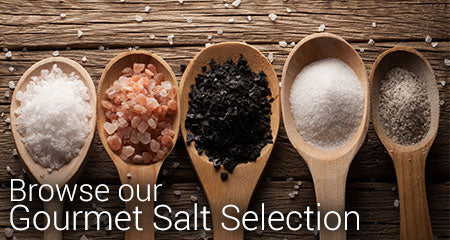
- Minerals - eat quality sea salt with high trace mineral content. I use Celtic sea salt primarily as it has 3 forms of magnesium, as well as some pink Himalayan and Hawaiian red and black sea salt. I consume ~1TBS over the course of the day with roughly 20 ounces of water - and drink more water in between. Why? The brain runs on sodium. Saline increases the dielectric of the blood lowering the viscosity and optimizing brain function.
-
HP-EVOO (high polyphenol extra virgin olive oil) polyphenols in EVOO
- stimulate L-cells to secrete GLP-1
- inhibit the enzyme (DPP-4) that degrades it, increasing the half-life.
- increase the peripheral response to insulin, improving insulin sensitivity.
- EVOO helps to heal and improve fluidity of cellular membranes
- protects cardiolipin from oxidation, enhancing mitochondrial function - powerful anti-inflammatory
- high in electrons - able to donate electrons to put out the fire of inflammation optimizing mitochondrial function
- Low in deuterium ~ 130ppm
- Oleic acid feeds the microbiome increasing production of butyrate and other short-chain fatty acids crucial in restoring the lining of the gut
- fundamental at chronic disease processes and works epigenetically to suppress cancer genes and much more.
So, until next time my friends…Drink, Drizzle, Digest HP-EVOO at least 4 TBS raw daily, - use more for cooking and drizzling onto your food - eat the rainbow of LOCAL organic or wild-sourced veggies and fruits - eat according to what is growing at your latitude and location in season - eat wild-caught, pasture-raised, grass-fed - get early morning sunrise light, plenty of sunshine during the day, sleep in the dark - get your trace minerals and electrolytes with good sea salt - Celtic is hand-harvested and Himalayan was formed before plastics - eat foods high in lutein - drink plenty of filtered water. consume digestible and indigestible fiber for your gut microbes - adaptogens (such as mushrooms) and methylation donors (kale, beets, spinach, cruciferous, lion’s mane…), marjoram, rosemary, oregano, parsley and other herbs to detox, enhance overall health and reverse aging and disease - exercise your body and mind - ground barefoot to gain as many electrons as possible, add a few minutes of mindful meditation and breathing exercises to your day to combat stress - take a hot Epsom salt bath and follow with a cold shower/ice plunge - remove EMF (electromagnetic frequency) devices and blue light - use IR (infrared) from incandescent lighting, non-toxic candle or light a fire to enhance sleep and...turn off the light!! #HP-EVOO
This blog is intended for informational purposes only. Discuss strategies with your Healthcare Practitioner.


Comments (2)
Thank you for this. Having a difficult time getting Bob to stop bringing up Ozempic
Thank you for this information. Curious, did you post this in 2024/is this information recently revised after the plethora of confusing information coming at us? I appreciate your blogs and read them every time you post them.