


Importance of Thiamine (B1) # HP-EVOO - Blog #109

Hello Everyone! Welcome back to another Friday blog. Today I want to highlight the importance of Thiamine - B1 - why many of us are deficient and what we can do about it. Did you know that thiamine is like the quarterback of your vitamin and mineral team? When we are deficient, it won't matter if all other nutrients are available, they can't do their job. "A large body of research dating back decades, suggests TD (thiamine deficiency) is neither rare nor limited to the traditionally defined populations, but that it is simply under-recognized." However, a 2023 research article in Frontiers in Nutrition reported case studies of thiamine deficiency found in Type 2 Diabetics and in Obesity. Let's delve in.
Thiamine deficiency results in a myriad of symptoms I've listed later in this blog. "Thiamine deficiency (TD) in rodents induces mild oxidative stress, microglial activation, selective neuronal cell death, diminished energy metabolism and behavioral abnormalities that model important aspects of a number of neurodegenerative diseases including Alzheimer’s disease (AD), Parkinson’s disease (PD), progressive supranuclear palsy and Wernicke-Korsakoff’s syndrome." It is obvious it also profoundly affects our brain and neurological system as well.
B vitamins are essential nutrients that must be consumed through the diet - as we are unable to synthesize them. Five of the 8 B vitamins are directly involved in ATP production. Thiamine (B1) is required in the first step of the TCA (tricarboxylic acid)/Kreb cycle for your mitochondria to make ATP (energy) and a later step at α-ketoglutarate dehydrogenase complex. It is a cofactor of pyruvate that generates acetyl coenzyme A in the TCA/Kreb cycle (citric acid cycle). "Vitamin B1 (thiamine) is highly enriched within the mitochondria, as they contain more than 90% of all cellular thiamine (∼30 μM) ()." B1 literally speeds up your metabolic engine, increasing tissue demand for all micronutrients - and is crucial for processing your macronutrients.
Mitochondria don't see carbohydrates, proteins or fats - they only SEE electrons - and use the electron transport chain (ETC). Interestingly, it requires 2X the levels of B1 to process carbohydrates as it does protein or fat. Thiamine breaks down into many metabolites that participate in metabolic processes. The body wastes nothing. "Thiamine and its derivatives can allosterically regulate malate dehydrogenase and glutamate dehydrogenase, both involved in the malate-aspartate shuttle, thereby decreasing the efflux of citrate from the mitochondria and increasing citrate flux through the TCA cycle."
Furthermore, the microbiome requires B1 and will consume it before it can be absorbed. If you are low in B1, your microbiome suffers. Microbes in the gut require B1, along with B9 (folate), for butyrate production. Butyrate is one of the primary short-chain fatty acids produced by the gut microbiota that are signaling molecules. Butyrate is the primary fuel of enterocytes (intestinal cells) and is the fuel that keeps your tight-junctions closed tightly in both the blood brain barrier and gut - preventing leaky gut and leaky brain. It also binds to intestinal L-cells that produce GLP-1 (Ozempic and other GLP-1 mimicking drugs) that control appetite. B1 is a key participant in glucose uptake from the blood, controlling blood glucose levels. Butyrate production by your microbes directly depends on the presence of 2 vitamins: B1 and folate (B9), required by auxotrophic gut microbes (unable to produce vitamins and growth factors) that are butyrate-producers.
Many gut species are relying on vitamins supplied from the diet or from other members of the microbial community (prototrophs). Absence of B1 and B9 impair the growth of multiple auxotrophic gut microbiota. Several strains lack the genes and biosynthetic pathways (partially or completely) for biosynthesis of cofactors related to B1, B2, B3, B5, B6. However, most strains are largely prototrophic (able to synthesize their own growth factors and metabolites from inorganic material - for all amino acids apart from tryptophan. The absence of tryptophan inhibits at least 3 strains. This is important because tryptophan is CRUCIAL for neurological health as it is the precursor to serotonin, melatonin, tryptamine, niacin, NAD+, NADP+ and kynurenine (neuroprotectant). Low levels contribute to sleep disorders, depression, cellular metabolism, biosynthesis of fatty acids, cholesterol, nucleotides and amino acids, and aging. A keystone species in our microbiome, F. prausnitzii, has the highest number of vitamin auxotrophies and is unable to grow in the absence of B1. It also requires higher levels of all B vitamins, but especially B2, B6, B9, B12 to increases its numbers. Interestingly, this is one of the primary gut species wiped out with long Covid. They can be revived with adequate sunlight exposure, consuming polyphenol and fiber-rich vegetables and/or supplementing natural (not synthetic) B vitamins - as in unfortified nutritional yeast.
Okay, so it is evident that our mitochondria and gut microbiome rely heavily on B vitamins, with B1 being the proverbial quarterback. We can rationalize that organs and tissues that require high amounts of ATP for energy will suffer with deficiency. When looking at diabetics, "frank deficiency was found in 98% of the study population using plasma and urine samples." Deficiency is also found in obese patients. It is estimated that up to 38% of pregnant women may not be consuming enough and are deficient. "A 2002 study reported the vitamin profile in 563 pregnant New Jersey women at different points across the pregnancy. They found a trend towards too much folate, riboflavin, biotin and pantothenate and too little niacin, thiamine, and vitamins A, B6, B12, suggesting that prenatal vitamins neither appropriately nor sufficiently address maternal nutrient demands."
Knowing that the brain is an energy hog, it makes sense that some of the symptoms of deficiency would be neurological. The other 2 organs that require high levels of energy include the heart and bone. B1 is involved in carbohydrate metabolism, so insulin resistance and type 2 diabetes can result when deficient. It also makes sense that biological barriers to the environment require high energy as well - this is the lining of the gut, the skin and hair. "Early signs of thiamine deficiency include peripheral neuropathies in adults and adolescents and fussiness and irritability in infants. Weakness, nystagmus, ophthalmoplegia, ataxia, and cognitive impairment accompany progression of the disease." In community dwelling elderly, a study found thiamine deficiency in 50% of the subjects - despite consuming greater than the recommended daily intake.
Thiamine is so important we recycle it in the cytosol - taking bare naked thiamine and phosphorylating it back to its activated form TPP (thiamine pyrophosphate or diphosphate) - then transport it back to the mitochondria for use. Once the phosphates are used up, it is transported back to the cytosol to be re-phosphorylated by the enzyme TPK (thiamine pyrophosphokinase). It functions optimally at a pH of 7.0-9.0. Imagine the problem that occurs with inadequate thiamine and mitochondria being forced into a Warburg metabolism - fermenting glucose driving the pH of the microenvironment into the acidic range <7.0. Do you think this could prevent re-phosphorylation and recycling of thiamine? Hmm. Intracellular pH plays a direct role in methylation processes as well. Further, thiamine interacts with oxygen that can be in its ground state (triplet) or reactive (singlet) state. If your oxygen is in the singlet state, ROS are generated from thiamine derivatives. "The radical is generated as an intermediate during substrate turnover by a side reaction with molecular oxygen, resulting in the continuous production of reactive oxygen species under aerobic conditions. This off-pathway reaction may account for metabolic dysfunction associated with several neurodegenerative diseases."
Let's take a look at some of the symptoms that can occur with deficiency. This is not a complete list by the way.
B1 deficiency symptoms:
OCD/ADD/ADHD/concentration difficulty
Alzheimer’s/memory
Amnesia
Autism
Autonomic nervous system dysfunction - (ex) Blood pressure dysregulation
Anxiety/panic
Depression
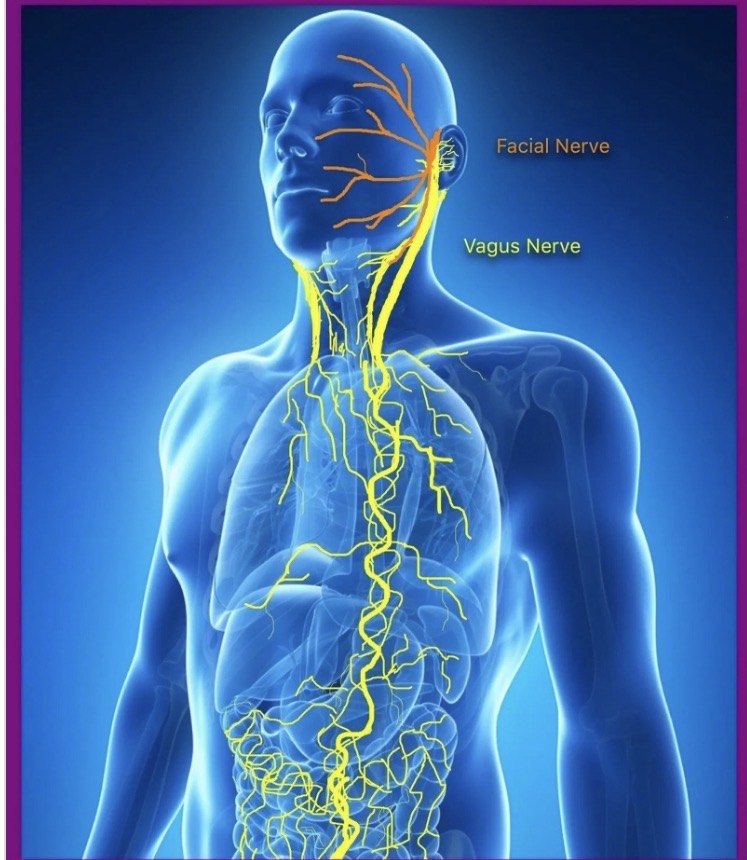
Vagus nerve dysfunction in gut
Decreased navigation capacity (hippocampus)
POTS (postural orthostatic tachycardia)
Light-headedness
Peripheral neuropathy/paresthesia
Mental stress
Altered mood
MS symptoms
Ataxia/balance/gait/clonus/dysarthria/clumsiness/dyscoordination
Restless leg syndrome
Tourette syndrome/twitching/ uncontrollable movement
Stress intolerance
Fatigue
Hiccups
Hypothyroid
Sensitivity to light and sound
Cataract formation
Eye inflammation - lens of eye
Optic neuropathy/diminished tears
Hair loss
Chronic chapped lips
Sinus drainage
Inhibits Pancreatic enzymes
Inhibits HCl (hydriochloric acid) in stomach
GERD (gastroesophageal reflux)
SIBO/SIFO (small intestinal bacterial overgrowth/small intestinal fungal overgrowth)
Decreased sense of smell
Genital anesthesia
Hand paralysis
Irregular heart rate - racing at times
Cardiovascular function
Respiratory function
Goosebump skin when not cold - 2° demyelination
Trigger finger
Mitral Valve prolapse/valve problems
Decreased energy/loss of inertia
Morning sickness/nausea
Recurrent ear infections
Fibromyalgia/ Muscle pain
Chronic fatigue Syndrome
SIDS (sudden infant death syndrome)
Baker’s cyst
Diminished peristalsis
Sleep apnea
Raynaud’s syndrome - autoimmune
Increased sweating
Blurred vision
Speech dysfunction
Hearing impairment
Incontinence
Did you realize that the thyroid is the proverbial "canary in the coal mine" - it alerts you that there is an issue in the body. We don't recognize this and assume we have a thyroid problem. The first line of treatment with allopathic medicine is often to you a low dose thyroid hormone replacement, such as levothyroxine (Synthroid) - often this does not help us feel better - because it is not addressing the root cause. We may initially see skin issues, experience digestive issues and neurological issues - we are not recognizing the underlying systemic problem.
Not only is thiamine is required in higher amounts in tissues that require high energy, but we can have more deficiency in one area than another. We tend to eat a diet that requires thiamine in higher amounts - and we aren't replenishing. Glucose nitrates enterocytes, while fructose depletes ATP from enterocytes making them weak and unable to fully close tight-junctions - this causes leaky gut. Further, we don't feed our microbiome appropriately and often lack the strains that are making B vitamins. B1 gives energy to oligodendrocytes that make myelin. Low B1 leads to neuropathy and contributes to MS. To further complicate the problem, thiamine uptake requires two transporters that live in the small intestine. These transporters shut down when there is inflammation present. We end up slowly getting worse until entire organs are involved/affected.
What depletes B1?
- High carbohydrate diet - refined sugar and grains - polished rice
- Antacids - increase pH, prevents absorption of vitamins and minerals
- Diuretics - increases excretion
- Caffeine
- Sulfites
- Alcohol
- Raw fish
- Tea and coffee
- Metformin
- Chlorine
- SSRIs - anti-depressant drugs
- Birth control pill
- Antibiotics - particularly cipro
- Seizure medications
- Organophosphates - glyphosate, pesticides, herbicides
- Other chemicals and toxins
- Heavy metals - mercury, lead, cadmium, aluminum -vaccines
So, what can we do optimize thiamine levels and enhance mitochondrial function to produce energy, prevent disease and promote longevity?
- Sunlight - THE MOST IMPORTANT OVERLOOKED NUTRIENT we require. The best quality red light is at sunrise. Red/IR light activates mitochondrial cytochromes in the IMM (inner mitochondrial membrane) - particularly cytochrome IV = CCO (cytochrome C oxidase). Getting enough red light, including PBM (photobiomodulation) allows mitochondria to essentially BYPASS cytochrome I (that requires thiamine), bump inhibitory NO (nitric oxide) off allowing oxygen to bind to CCO to create biological water and speeding ATP production at high levels. If you get enough sunlight, you need less thiamine.
-
Lower the glucose load on the mitochondria, as this drives inflammation and depletes our B vitamins.
- Lower the deuterium load - deuterium is a heavy isotope of light hydrogen. It slows and breaks the ATPase spin. Deuterium is high in grains, fruits, highly processed foods and even vegetables. You can lower it in the diet, deplete it through sweating, urine and bowel. You can deplete through Meckel's cave by chewing mastic gum and cold thermogenesis as well. Sunlight creates deuterium-depleted water at CCO.
- Ground - gain free electrons from the earth and discharge positive charges into the earth. Grounding speeds the ATPase by providing a flow of electrons to the mitochondria. "Earthing offers numerous wellness benefits—as evidenced by research based on clinical trials and randomized clinical trials—indicating that grounding individuals promptly improves their mood and decreases fatigue, enhances vagal tone and heart rate variability, improves blood circulation and viscosity, regulates cortisol levels, diminishes blood glucose, promotes better sleep, mitigates inflammation, and alleviates delayed-onset muscle soreness or pain in general, among various other health benefits ." Get bare feet on the wet earth or ocean. Get all-leather shoes to stay connected to the earth. Be aware of power lines or electrical lines buried where you are walking.
- Time-restricted eating. Narrow the eating window to 6-8hrs. This allows time for autophagy to clear toxins, cellular debris and lower glucose and insulin.
- Increase Sea Salt consumption - Sodium increases mitochondrial ATPase function independent of thiamine - and can "potentially bypass thiamine deficiency-related metabolic blocks and support mitochondrial resilience in conditions like LHON, Parkinson’s, and other complex I-related disorders." We have been lied to about salt. It increases the dielectric of blood enhancing blood flow. One way to increase the ATPase spin is to take a 3% saline daily. That's about a TBS of sea salt in 20 ounces of water. Sip on it throughout the day.
- Drink carbonated mineral water between meals - this increases the dielectric of the blood and improves the cardiac vortex, brain vortex and ATPase spin.
- Increase vitamin D3 levels through sunlight exposure >60, but ideally 70-100 on blood test. Supplementing vitamin D does not have the same protective action.
- Increase fiber in the diet to feed the microbial strains that produce B vitamins.
- Consume dark leafy greens for magnesium and vitamin C - as they are required to absorb and work together
- Consume tahini (1.2mg/100g) and sunflower seed (.3mg/100g) butters, fish, pork, beans and yogurt
- If you are sick, you can temporarily supplement a fat-soluble form of Thiamine that does not require transporters to be absorbed: Understand that ALL supplements are loaded with deuterium. Don't supplement long-term.
-
TTFD - (tetrahydrofurfuryl disulfide) - this fat-soluble form has extra sulfur groups attached. This helps with detoxification as well. This form works to help REVERSE the following disorders:
- address any functional gut issue, such as SIBO (small intestinal bacterial overgrowth)
- Intestinal motility
- Leaky gut
- Restores function in Vagus Nerve and enteric neurons
- Ameliorates POTS (postural orthostatic tachycardia syndrome)
- Dysautonomia
- Autism
- Depression
- Autoimmune Dysfunction
-
Benfotiamine - fat-soluble form that also has extra sulfur.
- Alzheimer's
- Peripheral neuropathy
- Anti-inflammatory effects
-
Sulbutiamine
- ADD/ADHD (attention deficit disorder/hyperactivity)
- focus
- OCD (obsessive compulsive disorder)
- Motivation
- Highly dopaminergic
-
TTFD - (tetrahydrofurfuryl disulfide) - this fat-soluble form has extra sulfur groups attached. This helps with detoxification as well. This form works to help REVERSE the following disorders:
-
HP-EVOO (high polyphenol extra virgin olive oil) "Bioactive components of EVOO activate cellular pathways, such as mTOR, AMPK and sirtuins, which promote mitochondrial biogenesis, improve the efficiency of the electron transport chain, and protect mitochondrial DNA integrity." The powerful polyphenols not only scavenge ROS (reactive oxygen species) but feed the microbiome and mitochondria. EVOO provides fatty acids as a major fuel source for enterocytes and organs that demand high energy - as well as healing the gut lining and the blood brain barrier. Polyphenols in EVOO protect the mitochondria in multiple ways as well as DNA, vitamin D and vitamin A at the IMM to optimize mitochondrial function. Here are 3 major polyphenols in HP-EVOO that are big performers.
- Oleuropein directly boosts mitochondrial bioenergetics through activation of the calcium uniporter stimulating mitochondrial respiration. Oleuropein is known to activate PDH (pyruvate dehydrogenase) facilitating entry of carbohydrates into the mitochondria for ATP production.
- Oleocanthal known for its anti-inflammatory activity comparable to ibuprofen, protects mitochondrial bioenergetics by enhancing membrane fluidity and toxin clearance - such a beta amyloid in neurodegeneration.
- Hydroxytyrosol (HT)- powerful antioxidant that protects the mitochondrial membranes and interacts with cytochromes I-V improving mitochondrial respiration and ATP production. HT activates mitophagy - clearing elimination of malfunctioning mitochondria, upregulate pathways (AMPK, PGC-1a) that directly stimulate mitochondrial biogenesis (create new mitochondria) and increase mitochondrial DNA (mtDNA).
So, until next time my friends…Drink, Drizzle, Digest HP-EVOO at least 4 TBS raw daily, - use more for cooking and drizzling onto your food - eat the rainbow of LOCAL organic or wild-sourced veggies and fruits - eat local and in season growing at your latitude and location - eat wild-caught, pasture-raised, grass-fed - get early morning sunrise light, plenty of sunshine during the day, sleep in the dark, check your vitamin D3 level and supplement if needed: D3, K2, magnesium, zinc, and boron (- get your trace minerals and electrolytes with good sea salt - Celtic is hand-harvested and Himalayan was formed before plastics - eat foods high in lutein - drink plenty of filtered water. consume digestible and indigestible fiber for your gut microbes - adaptogens (such as mushrooms) and methylation donors (kale, beets, spinach, cruciferous, lion’s mane…), marjoram, rosemary, oregano, parsley and other herbs to detox, enhance overall health and reverse aging and disease - exercise your body and mind - ground barefoot to gain as many electrons as possible, add a few minutes of mindful meditation and breathing exercises to your day to combat stress - take a hot Epsom salt bath and follow with a cold shower/ice plunge - remove EMF (electromagnetic frequency) devices and blue light - use IR (infrared) from incandescent lighting, beeswax non-toxic candle or light a fire to enhance sleep and...turn off the light!! #HP-EVOO
This blog is intended for informational purposes only. Discuss strategies with your Healthcare Practitioner.


Comments (1)
What is your recommended HP EVOO?